
We develop and apply computational tools to tackle challenging problems in chemistry and materials science. Our research is highly interdisciplinary, integrating quantum chemistry, machine learning, condensed matter theory, and quantum information. We apply our computational frameworks to discover next-generation renewable energy solutions, addressing the energy crisis and environmental challenges. We also design quantum materials with exotic physical properties, aiming to lay the foundation for the next technological revolution.
Systems we study
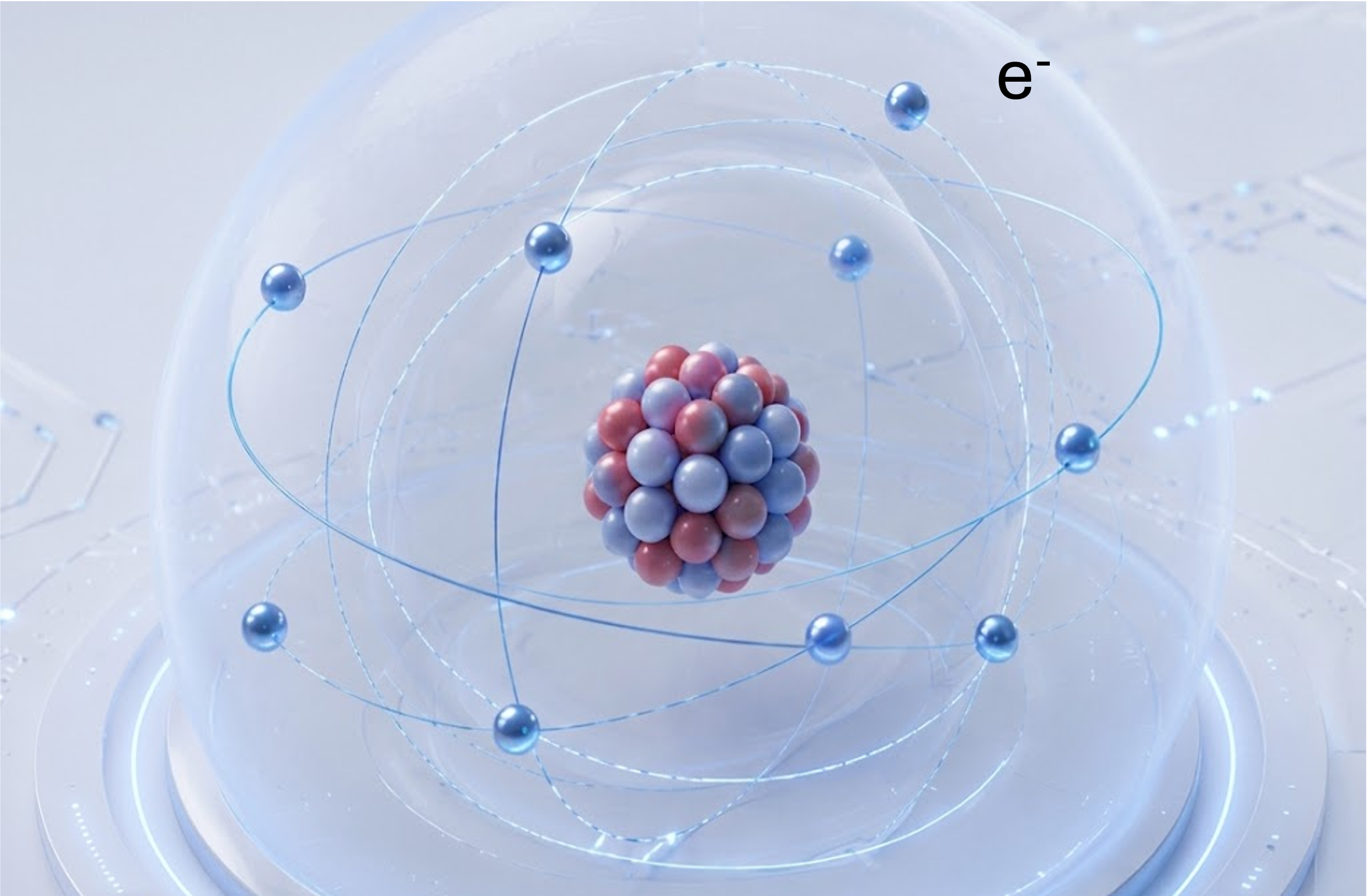
Electronic Structure
Electronic structure encodes the microscopic origins of chemical behavior. We develop and apply quantum chemistry methods to accurately simulate electronic structure, with a particular focus on strongly correlated systems where electron correlation gives rise to exotic quantum phases such as the Kondo effect and unconventional superconductivity.
Exotic Quantum Phases
Quantum information technologies need deeper conceptual understanding and better material platforms. We study and design materials with exotic quantum properties, including unconventional superconductivity, fracton phases, and many-body localization, to accelerate progress in quantum information science and technology.

Green Chemistry Solution
Sustainable and low-cost energy resources are essential for modern technology. We use quantum chemistry and AI platforms developed in the group to accelerate the discovery of new energy materials and identify efficient solutions for the computational demands of the HPC and GPU era.
Methods we develop
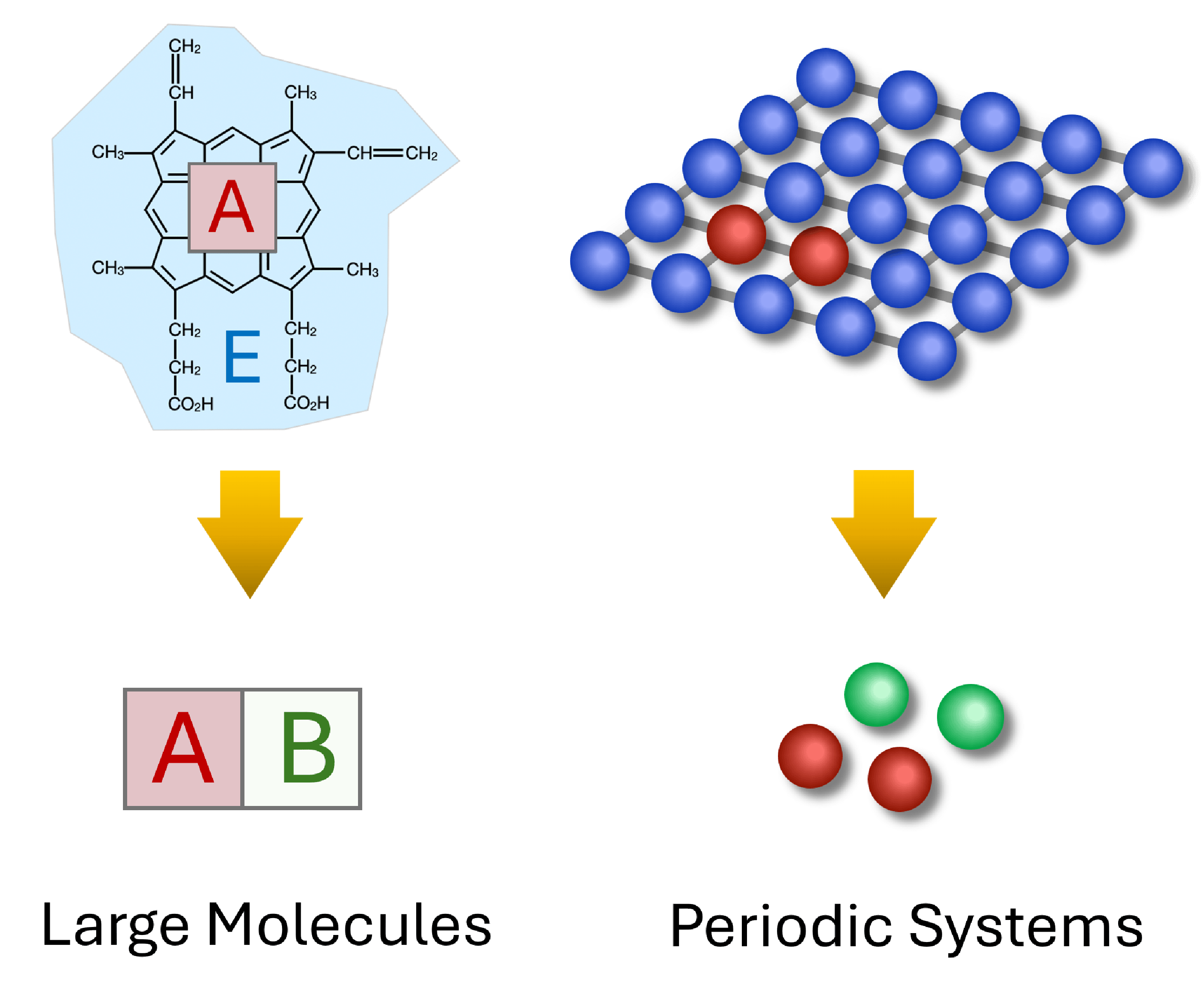
Quantum Embedding
Quantum embedding methods make scalable chemical simulations possible by applying different levels of theory to different parts of a system. We develop embedding methods based on frameworks such as density matrix embedding theory and dynamical mean-field theory for accurate simulations of large solid-state systems.
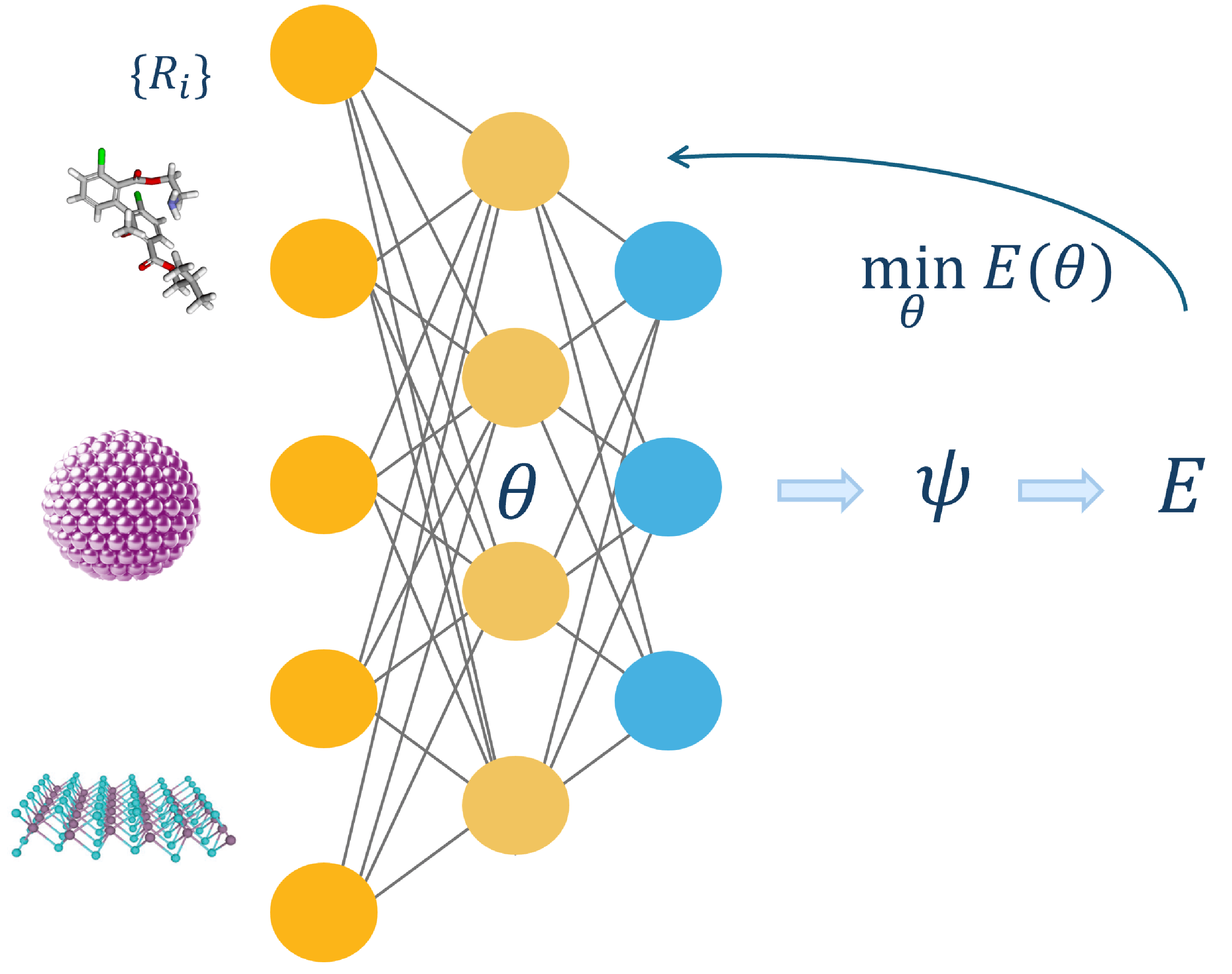
Quantum Chemistry with ML
Quantum chemistry balances accuracy against computational cost. We use machine learning to replace expensive components of quantum chemistry methods and to build expressive neural-network representations of quantum states that map fundamental system information directly to wavefunctions.
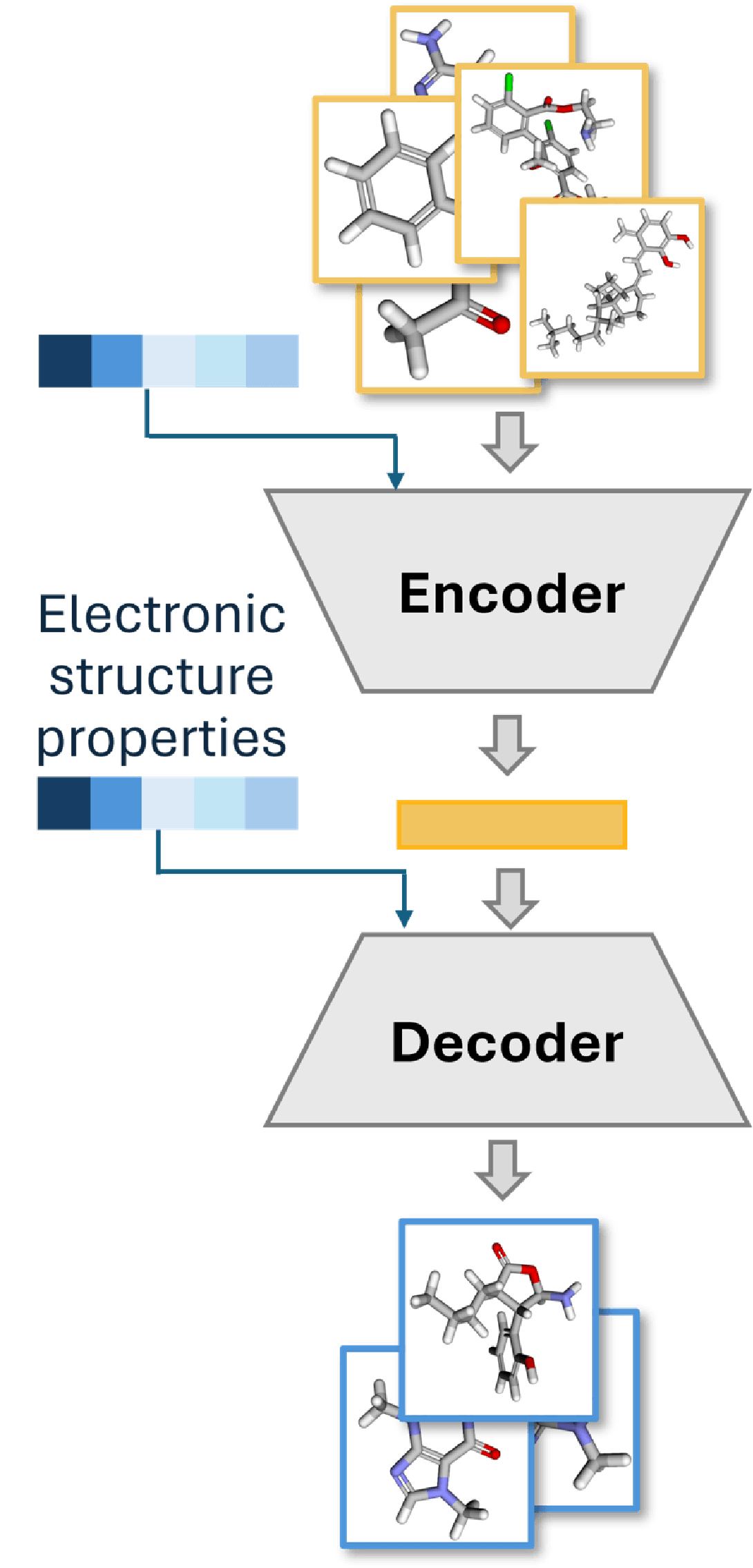
Generative Chemistry
Chemistry is the science of creating new substances, but trial-and-error exploration is too slow for the scale of chemical space. We develop and apply AI tools, guided by quantum chemistry, to systematically accelerate the discovery of novel functional materials.